
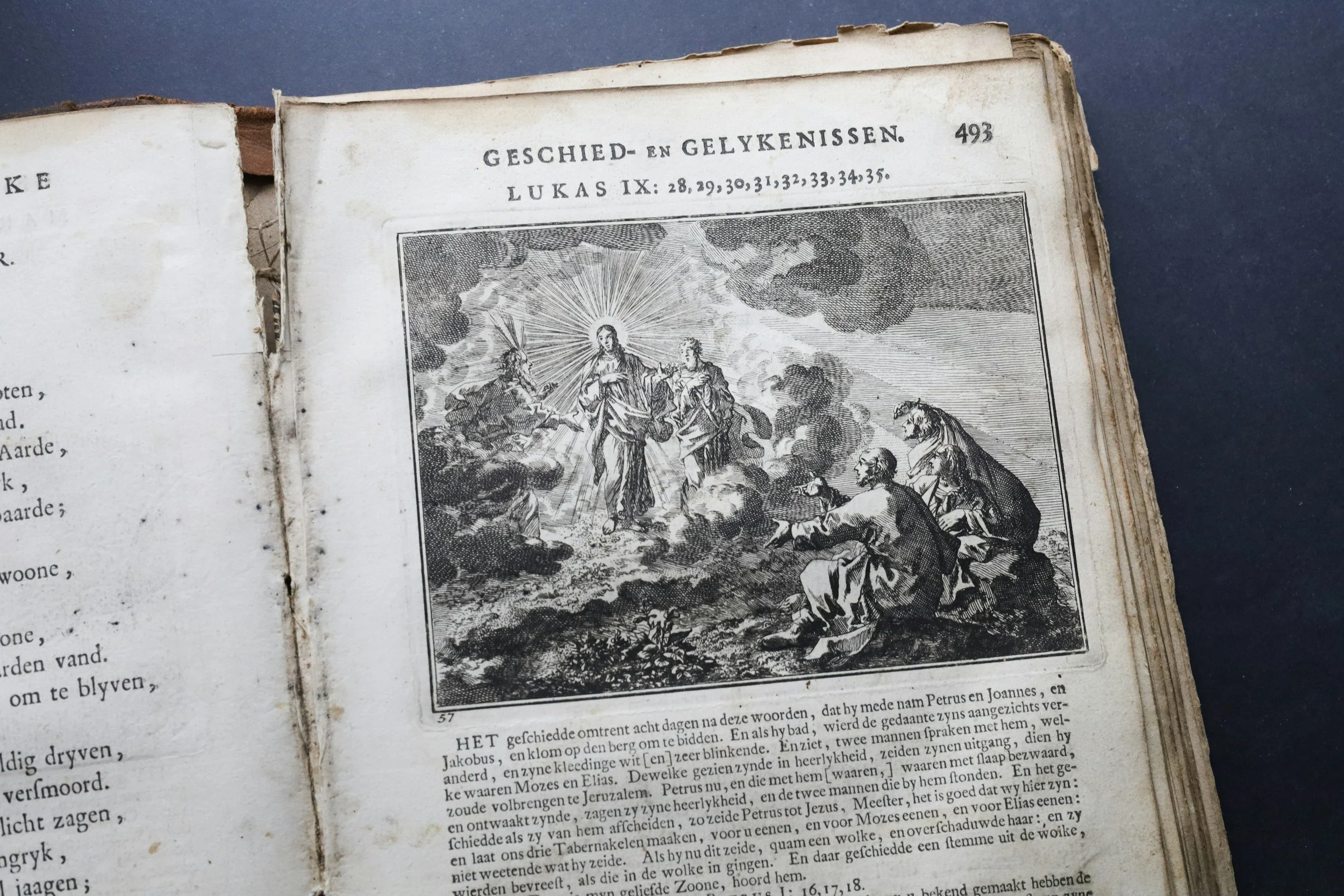
Elijah
Elijah
The Leader Who Crashed After the Mountain
What usually happens to you emotionally right after a big win or a high-stakes moment? Elijah's story normalizes something leaders rarely talk about — the crash that follows the mountaintop.
Who Was Elijah
Elijah is Israel's boldest prophet during the reign of Ahab and Jezebel, a period of intense idol worship. His ministry culminates in a dramatic public showdown with 450 prophets of Baal on Mount Carmel.
The Positive: Bold, Public Confrontation
Elijah single-handedly challenges the prophets of Baal to a contest to prove whose God is real, calls down fire from heaven in front of the whole nation, and then prays fervently for the drought-ending rain God had promised.
"Then the fire of the Lord fell and burned up the sacrifice... When all the people saw this, they fell prostrate and cried, 'The Lord—he is God!'" (1 Kings 18:38-39)
The Negative: Collapse Into Fear and Despair
Almost immediately after this towering victory, Jezebel sends word she intends to kill him within a day. Elijah — who just faced down 450 false prophets without flinching — runs for his life, sits under a tree, and asks God to let him die.
"He himself went a day's journey into the wilderness... 'I have had enough, Lord,' he said. 'Take my life.'" (1 Kings 19:4)
He tells God he's the only faithful one left, even though God quietly informs him 7,000 others in Israel have never bowed to Baal. Elijah's despair had convinced him he was completely alone — a conviction that wasn't actually true.
"Yet I reserve seven thousand in Israel—all whose knees have not bowed down to Baal." (1 Kings 19:18)
Why This Matters
Notice what God does before addressing any of it: he lets Elijah sleep, feeds him twice, and only then speaks to him. The physical care comes before the confrontation of his despair.
The Principle
Spiritual and public highs are almost always followed by an emotional low — leaders need real plans for the after, not just the during.
Burnout isn't a personal failing separate from leadership — it's a leadership issue that has to be planned for, the same way you'd plan for any other risk. Rest, food, and honest community aren't indulgences after a big moment; they're part of the job. Building recovery into your calendar ahead of time — not waiting until burnout arrives — is one of the most practical, underrated leadership disciplines there is.
How This Shows Up Today
Ministry leaders in particular are prone to Elijah's crash — pouring everything into a sermon series, a mission trip, or a major event, and then finding themselves depleted, isolated, and discouraged right afterward, wondering why the emotional low feels disproportionate to any actual failure. Elijah's story normalizes this pattern and offers a concrete response: physical care first (sleep and food), then honest conversation with God about the despair, then a reminder that you are not as alone as isolation has convinced you that you are.
Questions
• What does your life look like in the days right after a major win or high-pressure event?
• Have you ever felt "I'm the only one left" carrying a burden, only to find out later you weren't alone?
• What's one practical thing (rest, a meal, a conversation) you consistently skip after expending yourself for others?
Take Action:
• Build a specific post-high-pressure recovery plan (sleep, food, rest, community) you'll actually use after your next big commitment or event.
• Identify a lie you've believed about being "the only one" carrying a burden, and find out who else is actually in it with you.
• This week, reach out to one person who could be part of your support system and be honest with them about your current capacity.
• Look at your calendar for the next big event, project, or commitment, and pre-schedule specific recovery time immediately afterward.
• Identify three people who are genuinely "with you" in your calling, the way God reminded Elijah of the 7,000, and reach out to at least one of them this week.
The Conversation:
• Talk with your mentor how to recover after major ministry or leadership highs.
• Discuss any past experience of burnout or despair either of you has had after a significant win or effort.
• Talk about what it looks like to ask for help before reaching a breaking point.
• Ask your mentor how they distinguish between a normal post-effort low and something more serious that needs outside help.
• Talk about a season when your mentor felt completely alone in their calling, and how — or whether — that feeling turned out to be true.lk